
Mechanical Design and Control Dynamics of the CF-P01 Print and Apply System
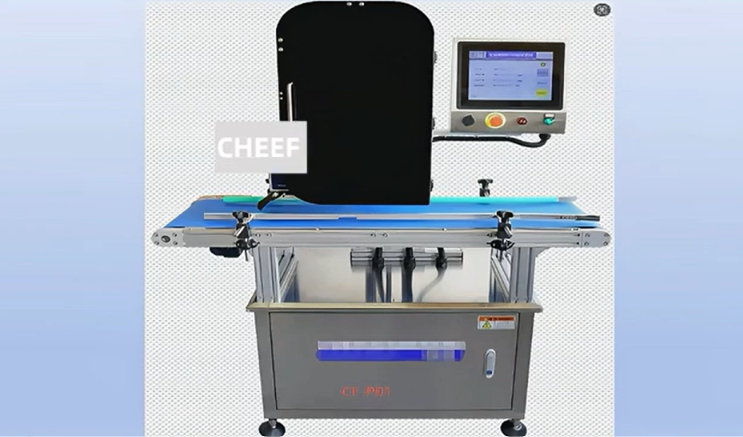
In high-velocity logistics tracking, automated electronics assembly, and consumer goods packaging, the ability to generate and fix distinct localized information onto moving products is critical. Traditional pre-printed stock setups force plants to maintain complex inventories for varied SKUs and risk costly sorting errors.
The CF-P01 Intelligent Online Instant Printing and Labeling Machine addresses these supply chain demands by functioning as an all-in-one data node. Positioned directly over existing production lines, the system receives real-time serialized text, dynamic tracking barcodes, or shipping data vectors, renders them onto blank stock media via an industrial print engine, and applies the fresh label to the passing container instantly.
Line Integration Framework and Universal Mounting Architecture
Unlike labeling systems built into fixed, dedicated conveyor frames, the CF-P01 is engineered as a standalone, modular print-and-apply engine. This physical independence allows production engineers to integrate industrial tracking updates into preexisting packaging cells without redesigning their factory layouts.
Adjustable Mechanical Mounting
The core system is housed in an industrial-grade enclosure suspended by a heavy-duty T-slot aluminum support stand. Floor-mounted leveling pads and manual hand-crank lead screws allow maintenance teams to adjust the unit’s height and tilt angle. This setup lets you mount the applicator over horizontal belt lines, next to vertical side-travel conveyors, or at custom angles over inclined packaging runs.
Product Position Tracking
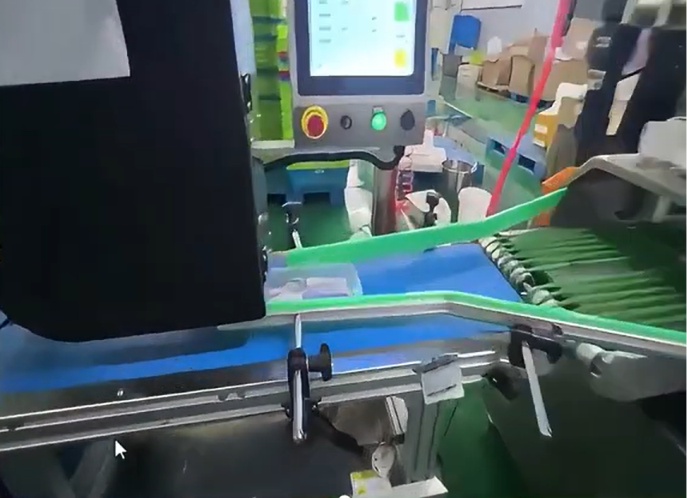
To ensure precise label placement without a shared physical conveyor bed, the CF-P01 uses independent optical retroreflective sensors. These tracking eyes mount directly to your facility’s existing conveyor frame. When a package breaks the sensor’s light path, a high-frequency tracking signal is sent to the central PLC, initiating the instant printing cycle.
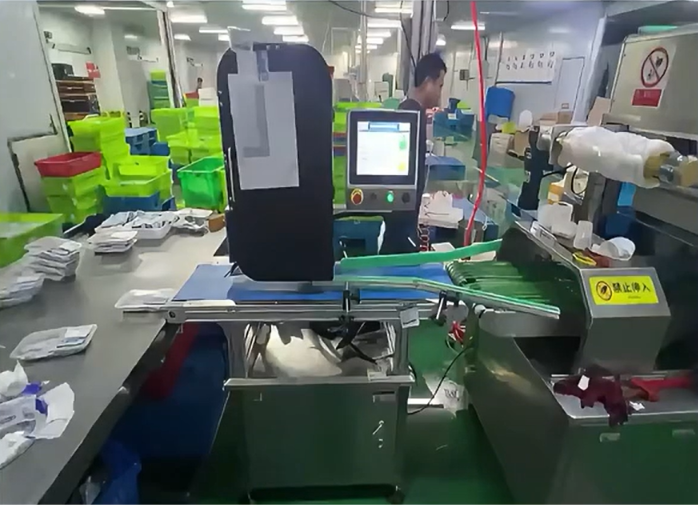
Electromechanical Operation and Custom Applicator Modules
The internal architecture of the CF-P01 balances rapid data processing with high-speed material handling, converting digital data strings into a physically applied label within milliseconds.
- Dynamic Data Rendering: The central PLC features advanced network protocols that link directly with factory MES (Manufacturing Execution Systems) or warehouse databases. The moment the product sensor trips, the engine compiles the unique dataset and sends the layout straight to the internal print head elements.
- Tension-Controlled Web Feeding: High-torque electrical servo drives control the label roll unwinder and internal backing paper rewinder. This electronic feedback loop maintains stable web tension across the peel plate, preventing label wrinkling or backing paper snaps during high-speed production cycles.
- Adaptable Application Modules: The base CF-P01 engine can be configured with multiple application styles depending on your specific package types:
- Wipe-on / Roll-on: Ideal for high-speed applications on uniform flat surfaces, using soft rubber rollers to smooth down the label as the product passes.
- Pneumatic Tamp-on: Uses a telescoping pneumatic cylinder with a vacuum pad to hold the label and press it firmly onto packages with varied heights.
- Air-Blow / contactless: Uses a high-velocity air pulse to expand and project the label onto fragile, irregular, or wet surfaces without making physical contact.
Core System Profiles and Performance Specifications
The CF-P01 series is built with durable components engineered to maintain precise placement tolerances over long operational lifespans:
- Electrical Infrastructure: Runs on standard 220V AC single-phase lines (50/60 Hz), making it compatible with existing factory power grids without requiring specialized high-voltage wiring.
- Placement Tolerance Window: Synchronized servo indexing tracks the movement of the package, keeping application tolerances within a tight plus or minus 1.0 mm window.
- Linear Line Velocity: The system accommodates variable packaging line speeds up to 45 meters per minute, allowing operators to match the output of high-speed filling, sealing, or case-erecting systems.
- Interchangeable Print Footprints: To accommodate different amounts of data, the print head engine can be swapped to support three standard sizes: 32mm x 75mm, 53mm x 75mm, and a wide-format 107mm x 75mm layout.
- Media Capacity Limits: The rugged chassis handles master label supply rolls with a maximum outer diameter of 300 mm mounted on standard 76 mm inner cores, minimizing the frequency of line stops for roll changeovers.
Primary Industrial Applications
The modular mounting design and instant printing capabilities of the CF-P01 make it highly effective across several primary automated manufacturing sectors:
- E-Commerce and Logistics Sorting: Positioned along sorting lines to print and apply unique customer routing labels, shipping barcodes, and postage information directly onto outbound boxes or poly mailers based on real-time scan data.
- Automated Electronics Assembly: Applies high-density tracking codes and regulatory labels directly to outer shielding housings, electrical component enclosures, or anti-static product trays during final assembly.
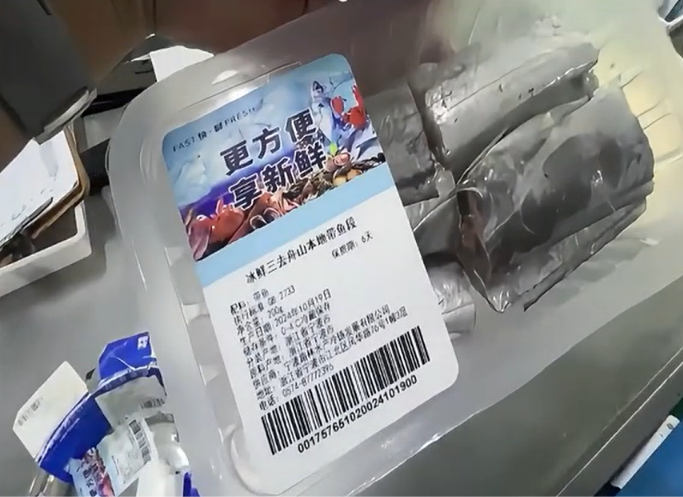
- Consumer Goods and Food Packaging: Prints and applies localized ingredient updates, promotional graphics, or seasonal tracking markers onto outer boxes, master cartons, or display trays right before palletization.
Maintenance, Field Calibration, and Troubleshooting Protocols
To maintain high line reliability and clean print quality across continuous production shifts, maintenance teams should follow a structured preventive maintenance routine.
Operational Component Care
- Thermal Element Maintenance: Carbon dust from ribbons and paper fibers from labels build up on the print head over time. Technicians should wipe the thermal print elements with lint-free swabs saturated with 99% electronic-grade isopropyl alcohol at every ribbon changeover to protect print clarity and prevent premature element failures.
- Vacuum Pad Inspection: On systems configured with pneumatic tamp applicators, the small suction holes on the vacuum pad can collect dust and adhesive residue. Cleaning these holes weekly ensures consistent suction pressure, preventing labels from slipping or falling off before application.
Field Calibration Strategies
- Conveyor Speed Calibration: If labels appear skewed or stretched, check the velocity matching parameters in the HMI software. The label dispensing drive must match the linear speed of your conveyor belt exactly to ensure smooth, wrinkle-free application.
- Sensor Delay Tuning: When changing lines to handle packages of different lengths, operators must adjust the electronic sensor delay settings via the touchscreen interface. This step ensures the applicator fires at the exact millisecond required to center the label on the product surface.
System Advantages
- Universal Line Integration: Features a standalone, modular design that installs easily over existing conveyor lines, eliminating the need for expensive factory layout modifications.
- Instant Dynamic Customization: Prints serialized barcodes, dynamic tracking data, and custom text blocks on demand, completely eliminating the need for large inventories of pre-printed label stock.
- High-Accuracy Servo Drive: Replaces older mechanical clutches with advanced electronic servo motors, maintaining application tolerances within a tight plus or minus 1.0 mm window.
- Adaptable Application Formats: Supports multiple interchangeable applicator styles (wipe-on, pneumatic tamp, or air-blow) to handle everything from rigid boxes to fragile, flexible packaging.
Frequently Asked Questions (FAQ)
Q1: What is the main advantage of the air-blow applicator style over a traditional tamp pad?
A pneumatic tamp pad physically presses down on the product, which is highly accurate for flat surfaces but can damage fragile items or crush flexible pouches. The air-blow system holds the label using vacuum suction and uses a targeted, high-velocity pulse of compressed air to project it onto the surface from a distance. This contactless approach is ideal for labeling soft, irregular, or delicate packages without risking product damage.
Q2: Can the CF-P01 operate without being connected to a central factory server?
Yes. While the system is optimized to pull live data from factory MES networks via standard Ethernet protocols, it can also operate completely standalone. Operators can load standard label designs, sequential serialization numbers, and fixed date matrices directly into the machine’s onboard touchscreen HMI memory, allowing it to run independently on isolated production lines.
Q3: How does the system prevent labeling errors if the conveyor speed fluctuates?
The CF-P01 can be integrated with an optional rotary shaft encoder mounted directly to your conveyor drive. The encoder continuously measures real-time speed variations and sends this data back to the labeling machine’s PLC. The system then automatically adjusts its print and application speeds to match the conveyor, ensuring accurate label placement even if the production line slows down or speeds up.
Q4: What causes labels to flag or lift at the edges after application, and how is this resolved?
Label flagging is typically caused by insufficient pressure from the applicator or dust contamination on the product surface. For wipe-on systems, ensure the output brush or weighted rubber roller is set low enough to firmly press the label edges down. For tamp or air-blow configurations, verify that the compressed air lines meet the machine’s pressure specifications to ensure a clean, complete bond with the package.
Watch the Full Video Tutorial:
This article summarizes the key points from our original video. Watching the full tutorial provides a clearer understanding of the procedures, demonstrations, and practical maintenance tips.
▶ Watch the full video below.
📺 Subscribe to the Cheef YouTube Channel to receive future maintenance guides, troubleshooting tutorials, product demonstrations, and industry updates.
