
The Engineering Principles of the CF-T01 Placement System
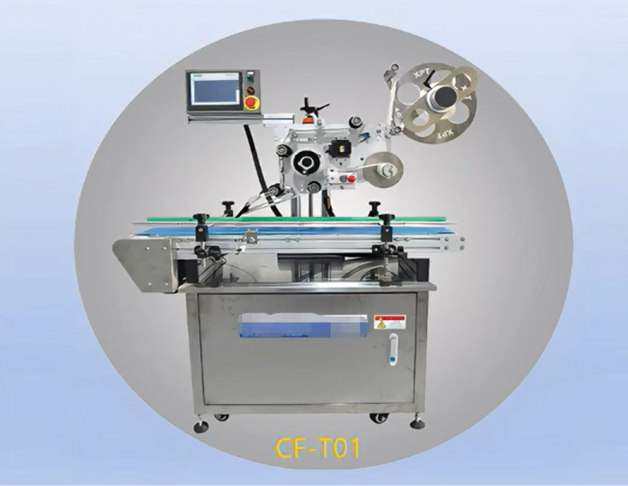
Applying adhesive labels to flat surfaces—such as unformed carton flats, cardstock blanks, plastic pouches, lid stock, or low-profile components—demands absolute mechanical precision. When processing these items at industrial volumes, slight variances in feeding velocity, surface friction, or sensor response times can cause misaligned labels, wrinkles, or costly jams.
The CF-T01 Intelligent Flat Labeling Machine addresses these challenges through a fully integrated, high-speed sorting and application design. This breakdown explores the structural mechanics, electrical control logic, and optimization strategies engineered into the CF-T01 platform to help plant managers, production engineers, and B2B equipment distributors maximize line throughput and labeling accuracy.
Mechanical Architecture and Friction-Feeding Dynamics
The foundation of the CF-T01 platform relies on its integrated feeding and conveyance system, which handles the transition from bulk stacks to individual, precisely spaced items.
[ Bulk Stack Hopper ]
│
▼ (Adjustable Gate / Reverse Rollers)
[ Friction Feeding Mechanism ] ──> Separates into single sheets
│
▼
[ Synchronized Conveyor Bed ] ──> High-traction belt alignment
│
▼
[ Label Application Dispenser ] ──> Photoelectric peel-tip drop
│
▼
[ Dual Pressing Assembly ] ──> Driven pressure roller / brush
│
▼
[ Outfeed Collection Bin ]
The Separating System
Bulk materials are placed into an adjustable hopper. At the base of the stack, a friction-feeding assembly uses high-durometer rubber wheels or belts paired with a reverse-separation gate.
By adjusting the gate clearance to exactly match the thickness of a single substrate sheet, the system uses shear force to separate the bottom sheet from the stack while keeping the rest in place. This technique prevents double-feeding, which is a common cause of line stops when handling thin pouches or static-prone plastic film bags.
High-Traction Conveyor Bed
Once separated, the product moves onto a flat conveyor belt. The conveyor is built with a high-friction, anti-static belt material that keeps the flat substrate from shifting laterally during transit. This stability ensures that when the product reaches the labeling zone, its coordinate alignment matches the position of the label dispenser head.
Sensor Synchronization and Dispensing Controls
The accuracy of the CF-T01 depends on real-time data communication between its sensors, internal processor, and stepper or servo motors.
- Product Detection: A high-speed photoelectric sensor is positioned along the conveyor path. When the leading edge of the moving substrate breaks the sensor’s light beam, an electrical signal is sent directly to the machine’s central PLC.
- Label Gap Detection: A second specialized sensor monitors the label roll backing paper. It detects the precise gap between adjacent labels by measuring differences in light transmission or capacitance. This data ensures the label dispenser advances exactly one label width per cycle, preventing multi-label dispensing or partial cuts.
- Velocity Matching: The machine’s core software matches the dispensing speed of the label head with the linear speed of the conveyor belt. If the label dispenser runs faster or slower than the conveyor, the label will stretch, wrinkle, or peel off prematurely.
Hardware Profiles and Technical Specifications
The CF-T01 series is built with industrial-grade components designed to withstand continuous, multi-shift production schedules.
- Substrate Dimensions: The adjustable feeding hopper and conveyor assembly accommodate flat items ranging from standard small pouches up to large flat cardboard boxes.
- Label Positioning Accuracy: The synchronized motor control system keeps label placement variances within a tight 1.0 mm tolerance window.
- Throughput Capacity: Depending on the length of the substrate and the size of the label, the system can process between 60 and 200 items per minute, making it suitable for mid-to-high volume production lines.
- Control System: Features an integrated touchscreen Human-Machine Interface (HMI) that lets operators easily store product profiles, adjust sensor delay times, and manage speed settings without making mechanical modifications.
Industrial Applications and Substrate Flexibility
The CF-T01 flat labeling system is highly versatile, making it a valuable asset across several primary B2B manufacturing and packaging sectors:
- FMCG and Food Packaging: Ideal for labeling flat pouch bags before they are filled with coffee, nuts, or liquids. Labeling the pouches while flat ensures smooth adhesion without dealing with the contours of a filled bag.
- Pharmaceutical and Medical Components: Used to apply tracking labels, barcode updates, or instructional markers to unformed medicine boxes, flat cardboard sleeves, and Tyvek pouch backing panels.
- Electronics and Logistics Distribution: Speeds up operations by pre-labeling flat shipping cartons, anti-static component bags, or rigid flat plastic lids before final product assembly.
Maintenance, Calibration, and Troubleshooting
To keep the CF-T01 operating at peak efficiency over a long lifespan, maintenance teams should follow a structured preventive maintenance routine.
Calibration Practices
- Sensor Tuning: When switching substrate materials—such as moving from opaque cardboard to semi-translucent plastic bags—the product detection sensor’s sensitivity must be recalibrated. If the sensitivity is set incorrectly, the sensor may fail to detect the product or trigger multiple times, leading to missing labels or wasted materials.
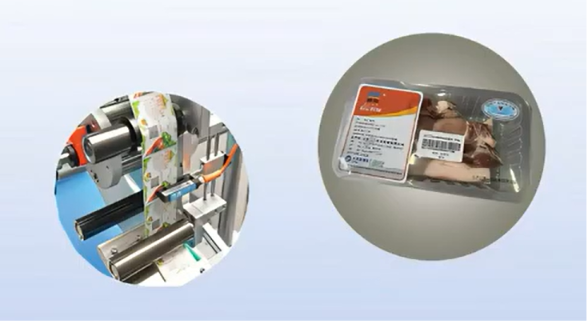
- Pressure Assembly Adjustment: The pressing assembly at the output of the label dispenser utilizes a combination of weighted rubber rollers and dense brushes. Operators must adjust the height of these components to match the thickness of the product, ensuring clean, edge-to-edge adhesion without scuffing the surface.
Troubleshooting Common Line Faults
- Label Wrinkling or Bubbling: This issue usually stems from a speed mismatch between the label dispenser and the conveyor belt. If the label dispenses slower than the conveyor belt speed, it will drag and wrinkle. Check the HMI settings to ensure the speed synchronization ratio is properly balanced.
- Skewed Label Alignment: If labels are consistently applied at an angle, check the tracking rails in the feeding hopper. If the rails are set too wide, the substrate can twist on the conveyor belt before reaching the label head. Tighten the guide rails until they firmly guide the product without causing friction drag.
System Advantages
- High-Efficiency Friction Separation: Advanced separation wheels prevent double-feeding of thin or static-prone materials, minimizing line interruptions.
- Dynamic Speed Matching: Fully synchronized software links conveyor velocity with the label dispensing drive to ensure smooth, wrinkle-free application.
- Wide Product Versatility: The easily adjustable design accommodates cardboard sleeves, plastic bags, flat components, and pouches on a single machine.
- User-Friendly HMI Integration: The intuitive digital control panel makes it simple to save product profiles, adjust electronic delays, and perform fast product changeovers.
Frequently Asked Questions (FAQ)
Q1: Can the CF-T01 handle transparent or clear labels on a flat pouch?
Yes, but clear labels require a specialized capacitive or ultrasonic label sensor instead of a standard optical sensor. Standard optical sensors track labels by detecting differences in light transmission through the backing paper, which doesn’t work with clear labels. Upgrading to an ultrasonic gap sensor allows the CF-T01 to run transparent labels smoothly.
Q2: How thick of a substrate can the friction feeder process?
The friction-feeding system is fully adjustable and can process materials ranging from thin plastic film bags (under 0.1 mm) up to rigid cardboard sheets or unformed corrugated boxes several millimeters thick. The feeding gate and separation rollers can be manually adjusted using a precision dial to match the exact thickness of your product.
Q3: What is the benefit of labeling pouches while flat rather than after they are filled?
Labeling pouches while they are flat provides a perfectly uniform, solid backing surface. This setup eliminates air pockets, wrinkles, and misalignment caused by the uneven shapes, product settling, or moisture present in filled bags. Pre-labeling flat substrates leads to higher application speeds, superior aesthetics, and a much lower product rejection rate.
Q4: What regular cleaning is required to prevent label misfeeds?
The most critical components to clean are the friction rubber feed wheels and the label dispensing peel plate. Over time, adhesive residue from labels and paper dust from substrates can build up on these surfaces. Wiping down the rubber wheels and steel peel plate with isopropyl alcohol at the end of each shift prevents material slippage and ensures consistent feeding accuracy.
Watch the Full Video Tutorial:
This article summarizes the key points from our original video. Watching the full tutorial provides a clearer understanding of the procedures, demonstrations, and practical maintenance tips.
▶ Watch the full video below.
📺 Subscribe to the Cheef YouTube Channel to receive future maintenance guides, troubleshooting tutorials, product demonstrations, and industry updates.
